Warrior Minerals (WM) is expanding its portfolio of strategic and critical minerals with Antimony (Sb), offering sourcing and supply capabilities across the antimony value chain — from raw antimony ore and concentrate to crude oxide, antimony metal ingots and Antimony Trioxide (ATO).
Antimony, chemical symbol Sb and atomic number 51, is a lustrous grey metalloid occurring predominantly in nature as stibnite (Sb₂S₃), the principal antimony-bearing sulphide mineral.
Antimony has become strategically important because of its applications across energy storage, lead-acid batteries, flame-retardant systems, metallurgy, electronics, semiconductors, plastics, glass and specialised industrial applications. The supplied reference material identifies approximately 48% of antimony consumption with flame retardants, 33% with lead-acid batteries and 8% with plastics.
GLOBAL PRODUCTION & RESOURCE BASE
Antimony supply is geographically concentrated. The reference data for 2022 identifies China, Russia, Tajikistan, Myanmar and Australia among the principal producing countries, with China accounting for 54.5% of reported production in that dataset.
Important antimony resources are also identified in Bolivia, Kyrgyzstan, Turkey, Canada, the United States and Slovakia. Significantly for WM’s sourcing strategy, the supplied material records approximately 100,000 tonnes of antimony reserves in Turkey in the referenced 2022 reserve data.
The strategic importance of diversified supply is increasing. Antimony is regarded as a critical mineral/raw material in major importing markets because of its industrial importance and vulnerability to supply-chain disruption.
WARRIOR MINERALS — SOURCING CAPABILITY
Warrior Minerals is developing a diversified non-traditional antimony sourcing network, with particular focus on Turkey and Zimbabwe.
WM’s procurement strategy is centred on establishing relationships close to the source — including miners, mine owners, processors, concentrators and established local suppliers — and coordinating the commercial chain from identification of suitable material, sampling and assay verification through procurement, documentation, logistics and export shipment to the end buyer.
Turkey
Turkey represents an important alternative antimony source and is specifically identified in the supplied material as possessing substantial antimony reserves.
WM is developing sourcing channels in Turkey for various grades and forms of antimony, with emphasis on reliable supply, independent quality verification and export-oriented procurement.
Zimbabwe
WM is simultaneously developing Zimbabwe as an important African sourcing base for antimony ores and concentrates. The objective is to work close to the mining and processing source and develop a transparent mine-to-market supply chain, subject to assay, legal provenance, applicable mining/export approvals and buyer specifications.
This Turkey–Zimbabwe sourcing approach enables WM to offer international buyers diversification of origin, multiple product grades and greater supply-chain flexibility.
PRODUCT RANGE
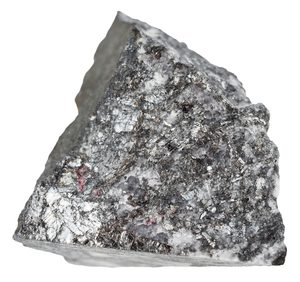
I. RAW ANTIMONY ORE — APPROX. 7% TO 30% Sb
Raw antimony ore is the naturally occurring mined material, generally associated with stibnite (Sb₂S₃) and gangue minerals. The supplied technical material confirms that stibnite is the predominant antimony ore mineral.
Depending upon the deposit and beneficiation undertaken at the mine, WM can target raw antimony ore across approximately 7%–30% Sb, subject to mine availability, representative sampling and assay.
Principal Uses
Raw ore in this grade range is primarily a feedstock rather than a finished industrial antimony product. Depending upon grade and mineralogy, it may be:
- Crushed, screened and upgraded;
- Beneficiated through gravity/flotation or other concentration processes;
- Blended with higher-grade material to achieve processing specifications;
- Supplied as feed to concentrators and mineral-processing plants; and
- Further processed toward higher-grade concentrate, crude antimony products, oxide or ultimately metallic antimony.
Lower-grade antimony ores are commonly concentrated by froth flotation, while higher-grade ores can follow different thermal/metallurgical processing routes.
WM Target Supply: Raw Antimony Ore — Sb approximately 7% to 30%
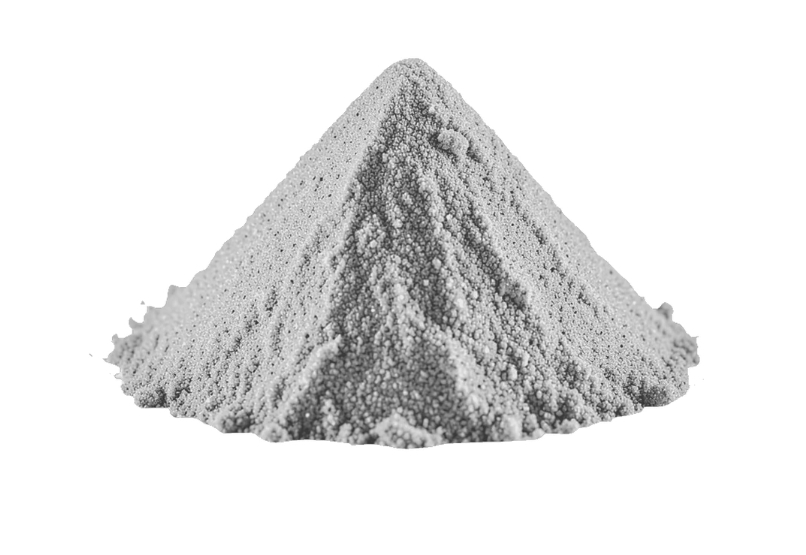
II. ANTIMONY CONCENTRATE — APPROX. 45% TO 65%+ Sb
Antimony concentrate represents an upgraded product obtained after beneficiation of antimony-bearing ore. Concentration substantially increases the contained Sb and reduces unwanted gangue, thereby producing a more suitable feedstock for smelters and refiners.
WM Target Supply: Antimony Concentrate — approximately 45% Sb to 65%+ Sb, subject to source and assay.
Principal Uses
High-grade antimony concentrate is principally used as:
- Feedstock for antimony smelters;
- Raw material for production of crude antimony;
- Feed for production of antimony oxide;
- Feedstock for refining into metallic antimony;
- Intermediate material for downstream manufacture of Antimony Trioxide; and
- Source material for specialised antimony compounds.
The ultimate commercial value of concentrate depends not merely on Sb percentage but also on moisture, sulphur and impurity/penalty elements, particularly arsenic and other elements specified by individual smelters.
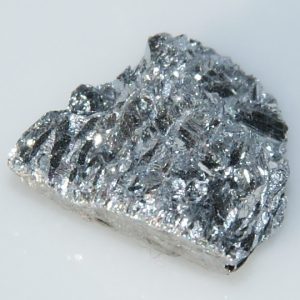
III. CRUDE ANTIMONY OXIDE
Crude Antimony Oxide is an intermediate product generated during the pyrometallurgical treatment of antimony-bearing material. During processing, antimony sulphide can be converted into oxide by roasting; the volatile antimony(III) oxide can subsequently be recovered and further purified.
Principal Uses
Crude oxide serves primarily as:
- Feedstock for further refining;
- Intermediate for production of higher-purity Antimony Trioxide (Sb₂O₃);
- Feedstock for production of metallic antimony through reduction;
- Raw material for downstream antimony chemicals; and
- Intermediate material for specialised metallurgical applications.
WM can explore supply of crude oxide against the buyer’s required Sb content, oxide composition and maximum permissible impurity specifications.
IV. ANTIMONY METAL INGOTS
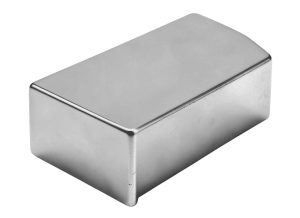
Antimony metal is the refined metallic form of Sb, generally marketed in ingot form for convenient handling, transportation and remelting.
Metallic antimony is particularly important as an alloying element. When alloyed with lead, it increases hardness and mechanical strength, improves casting characteristics and strengthens lead-acid battery plates.
Principal Uses
- Lead-Acid Batteries: Antimony is alloyed with lead for battery grids and plates, improving mechanical strength and performance. The supplied material specifically identifies lead-antimony alloys as important in automotive and industrial battery systems.
- Metallurgical Alloys: Used with lead, tin and other metals to improve hardness, durability and wear resistance.
- Solders: Antimony is incorporated into certain solder alloys to improve mechanical properties.
- Bearings: Used in antifriction alloys, including Babbitt-type metals.
- Electrical Applications: Used in cable sheathing and selected electrical/metallurgical applications.
- Specialised Metal Products: Applications include pewter, hardening alloys and other engineered alloy systems.
- WM Target Supply: Antimony Metal Ingots — purity and impurity limits as per buyer specification and producer availability.
V. ANTIMONY TRIOXIDE (ATO) — Sb₂O₃
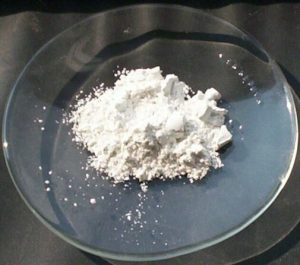
Antimony Trioxide (ATO) is one of the most commercially important downstream antimony products. It is formed when antimony is oxidised and is extensively used as an industrial additive and chemical intermediate.
Principal Uses
1. Flame Retardants – ATO’s most prominent application is as a flame-retardant synergist, particularly in combination with halogenated flame-retardant systems.
It is used in applications involving:
- Plastics and polymers;
- Electrical and electronic housings;
- Cables and insulation;
- Textiles and upholstery;
- Coatings;
- Automotive materials;
- Construction materials; and
- Fibreglass/polyester-resin composites.
The supplied WM reference material specifically identifies ATO as being widely used in flame-retardant formulations for plastics, textiles and coatings, as well as serving as a catalyst in certain polymer production.
2. Plastics & Polymer Industry – Antimony compounds are incorporated into plastics requiring enhanced fire resistance, particularly where the relevant flame-retardant chemistry calls for an antimony synergist.
3. PET / Polyester – Antimony compounds have applications as catalysts/stabilisers in the production of polyethylene terephthalate (PET).
4. Glass & Ceramics – Antimony compounds are used in specialised glass applications, including as fining agents, and in pigments and related formulations.
5. Specialised Industrial Applications – Depending upon purity and specification, antimony derivatives have applications across pigments, coatings, chemical intermediates and advanced materials.
FROM MINE TO MARKET — WARRIOR MINERALS
Warrior Minerals seeks to position itself not merely as a commodity trader but as a strategic sourcing and supply-chain partner for Antimony, connecting qualified international buyers with carefully identified sources in Turkey and Zimbabwe.
Our approach is built around:
Mine/Producer Identification → Due Diligence → Representative Sampling → Independent Assay/COA → Commercial Negotiation → Procurement → Export Compliance → Logistics → International Delivery
WM intends to develop supply capability across the antimony value chain:

Through its developing sourcing relationships in Turkey and Zimbabwe, Warrior Minerals aims to provide customers with reliable, diversified and commercially competitive access to antimony products, supported by transparent origin documentation, quality verification and international logistics.
WARRIOR MINERALS
Strategic Minerals | Critical Minerals | Global Sourcing | Mine-to-Market Solutions
Product availability, Sb grade, purity, impurities, quantity, origin and shipment terms remain subject to producer availability, representative sampling, independent assay, statutory approvals and mutually agreed commercial terms.